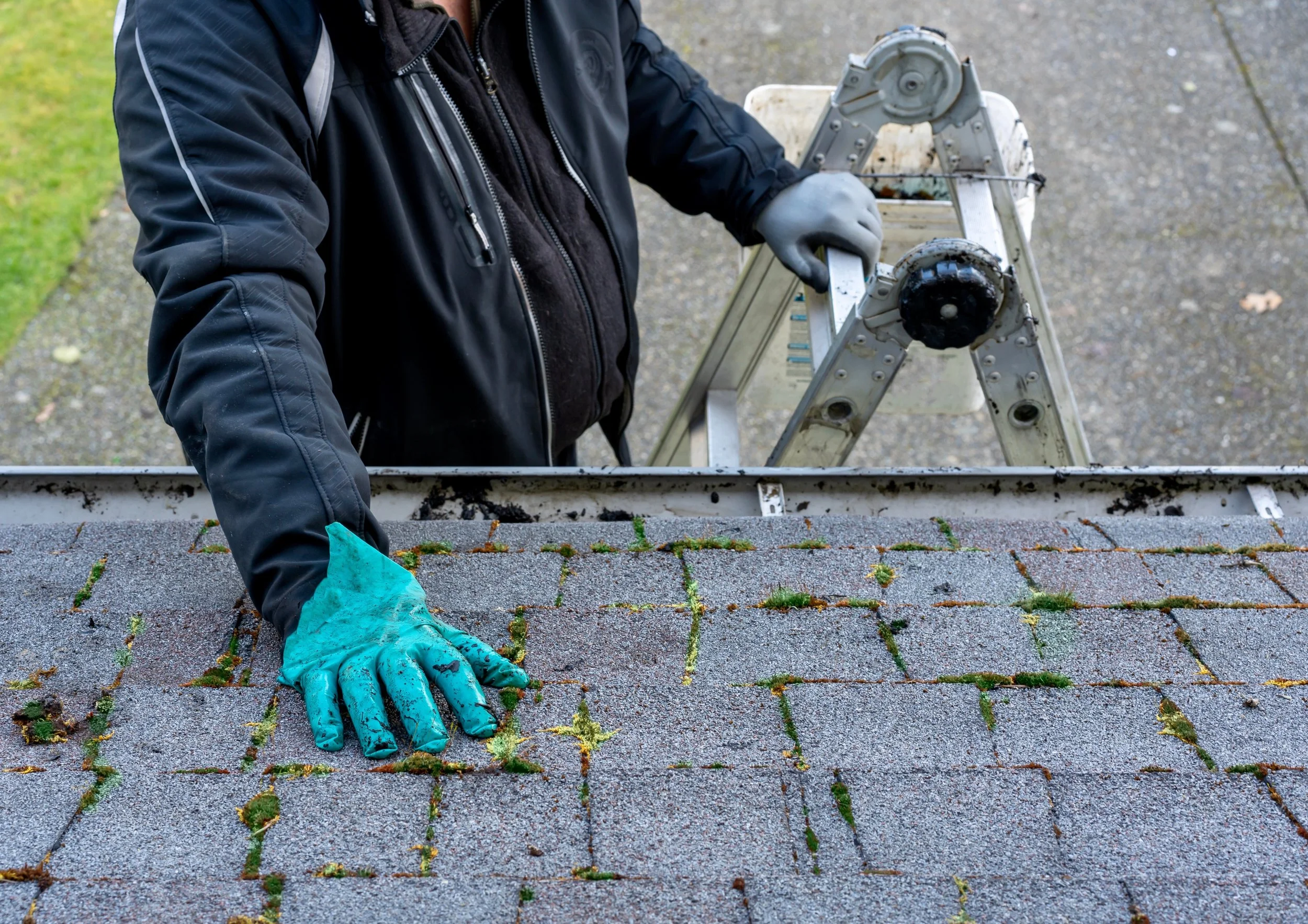
For most homeowners, the roof is invisible until catastrophe strikes.
You don't think about its existence until a water stain appears on the ceiling, shingles blow off in a storm, or you learn from a home inspector that your roof is failing.
This willful invisibility is expensive.
A small roof leak that goes undetected for six months can rot through attic framing, penetrate into ceiling cavities, and spawn mold colonies that cost $10,000 to $30,000 to remediate.
A failed roof assembly that allows bulk water infiltration can damage rafters, trusses, and load-bearing walls, compromising the structural integrity of your entire home.
Yet most homeowners treat roof care as a reactive afterthought rather than a disciplined maintenance protocol.
Here is what you need to know about roof failure mechanisms, what to look for during a professional inspection, and why catching problems early is the single most cost-effective investment in your home's longevity.
The Hidden Mechanics of Roof Failure
Roof failure isn't a sudden event. It's a progressive sequence of mechanical and chemical degradation that unfolds over months or years. Asphalt shingles are engineered to last 20 to 25 years, but failure often begins well before that timeframe.
Shingle Granule Loss and UV Degradation
Asphalt shingles are composite materials: a fiberglass base layer, asphalt binder, and surface granules (tiny stones that protect the asphalt core from ultraviolet radiation).
Over time, UV exposure oxidizes and hardens the asphalt, causing the shingle to lose flexibility. Simultaneously, thermal cycling causes the shingle to expand and contract. Repeated flexing eventually lifts and dislodges the protective surface granules, exposing the raw asphalt core beneath.
Once granules are lost, UV rays attack the exposed asphalt core, the shingle becomes brittle and prone to cracking, and water penetrates through micro-cracks.
If a granule-loss problem goes unaddressed for two or three years, the damage pattern can spread across 20% of the roof, at which point a full roof replacement becomes necessary.
Flashing Corrosion and Water Intrusion
Roof flashing is the metal trim installed where the roof intersects vertical walls, chimneys, vent pipes, and valleys. It is the roof's most critical vulnerability.
Flashing directs water down and off the roof surface. Poor installation or deteriorating sealant allows water to flow horizontally behind the flashing rather than down and away.
Common flashing failures include galvanic corrosion where dissimilar metals contact and degrade, caulk that hardens and shrinks over 5-7 years, installation errors where flashing is installed over rather than under shingles, and fastener pull-through where shingle movement strips screws out of flashing.
When flashing fails, water sneaks into wall cavities where it sits in dark, humid conditions. That’s the perfect environment for wood rot and mold colonies.
By the time homeowners notice symptoms (wall staining, mold smell), significant framing damage has already occurred.
Professional Inspection and Detection
A professional roof inspection involves more than visual assessment. A certified inspector will walk the roof surface, check attic ventilation, examine deck integrity, and measure the remaining life expectancy of your roof assembly.
A professional inspection typically costs $300-$500 but can save you $10,000-$50,000 by identifying problems while they are still manageable.
Homeowners should also perform basic visual walkthroughs twice annually to catch obvious problems early: check for missing or damaged shingles, look for visible granule loss, inspect flashing for cracked caulk, scan gutters for excessive granule accumulation, and check the attic for water stains.
Your roof is the single most critical system protecting your home from weather. A disciplined inspection protocol, including professional assessments every 2-3 years, visual homeowner checks twice yearly, and rapid response to visible damage, is far cheaper than waiting for catastrophic failure.
Contact Constructive Home & Property to schedule a professional roof assessment.