Homeowners obsess over interior aesthetics like kitchen cabinetry, hardwood floors, paint colors.
Yet they treat exterior envelope components as an afterthought, maintaining siding and gutters only when visibly damaged. This neglect is costly.
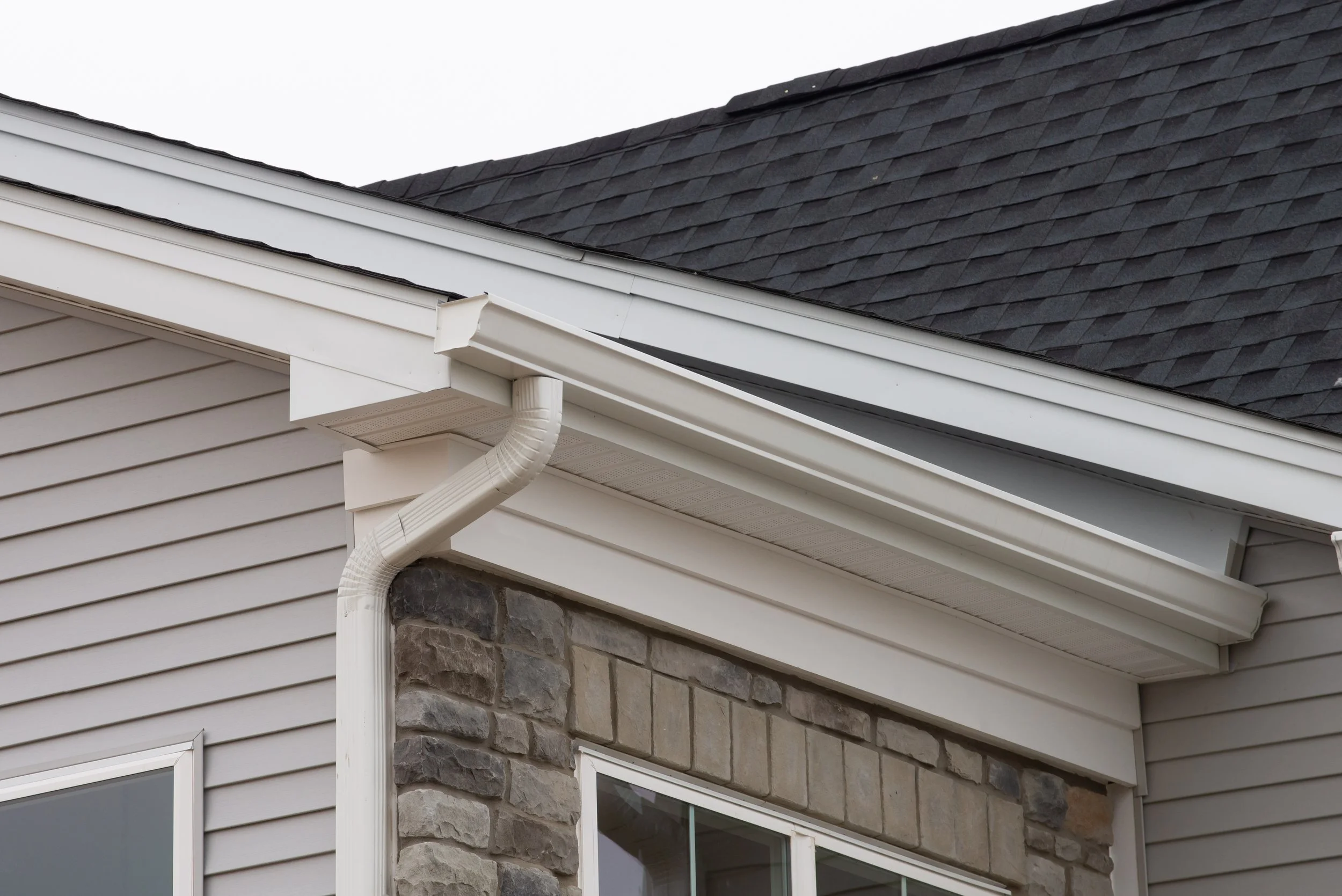
Your home's siding, fascia, gutters, and soffit form a weatherproofing armor protecting the structural frame from water intrusion, UV degradation, insect penetration, and freeze-thaw cycles.
When exterior systems fail, water migrates behind cladding into wall cavities, triggering hidden rot, mold, and structural compromise that can cost $15,000-$50,000 to remediate.
The Siding Envelope: Water-Resistant vs. Waterproof
Siding is water-resistant, not waterproof. Wood, fiber cement, vinyl, and metal sidings shed rain when properly installed, but they don't form a sealed barrier.
Water will find its way into micro-gaps at joints, fastener penetrations, and transitions to windows and trim.
Behind the siding sits a secondary line of defense: house wrap or exterior insulation systems that catch water breaching the cladding layer and flash it downward before reaching the structural frame.
Regardless of siding material, water intrusion failures almost never happen at the siding itself. They happen at intersections where water collects: windows, doors, corner boards, fascia transitions, and mechanical penetrations.
Gutter Systems: Sizing and Maintenance
Gutters are a drainage system that captures water running off the roof and directs it away from the foundation.
Most residential gutters are undersized. Standard 5-inch gutters are adequate for modest climates, but in Rochester's climate with 30+ inches of rain annually plus heavy snow melt, undersized gutters create overflow conditions during heavy rain.
When gutters overflow, water spills over the fascia, saturating it and allowing water to migrate horizontally behind the gutter into soffit, wall, and rafter tail cavities.
Critical specifications include 6-inch gutters minimum for northern climates, slope toward downspouts at 1/4-inch drop per 10 feet, one 3-inch downspout per 600 square feet of roof area, downspouts extending 4-6 feet from the foundation, and aluminum, copper or steel materials.
Gutter maintenance requires seasonal attention. Professional cleaning every spring and fall, or gutter guard systems, can prevent overflow failure and extend lifespan.
A disciplined maintenance routine prevents exterior failures before they begin: spring inspections and cleaning, summer pressure-washing and caulk checks, fall cleaning before winter, and winter ice dam monitoring.
Your exterior is not cosmetic. It is a functional system protecting your structural frame from weather and water intrusion. Treating siding, fascia, gutters, and soffit as maintenance priorities is the difference between a home that stays dry and protected for decades and one that suffers silent structural damage.
Contact Constructive Home & Property to discuss exterior solutions tailored to your home's needs.