
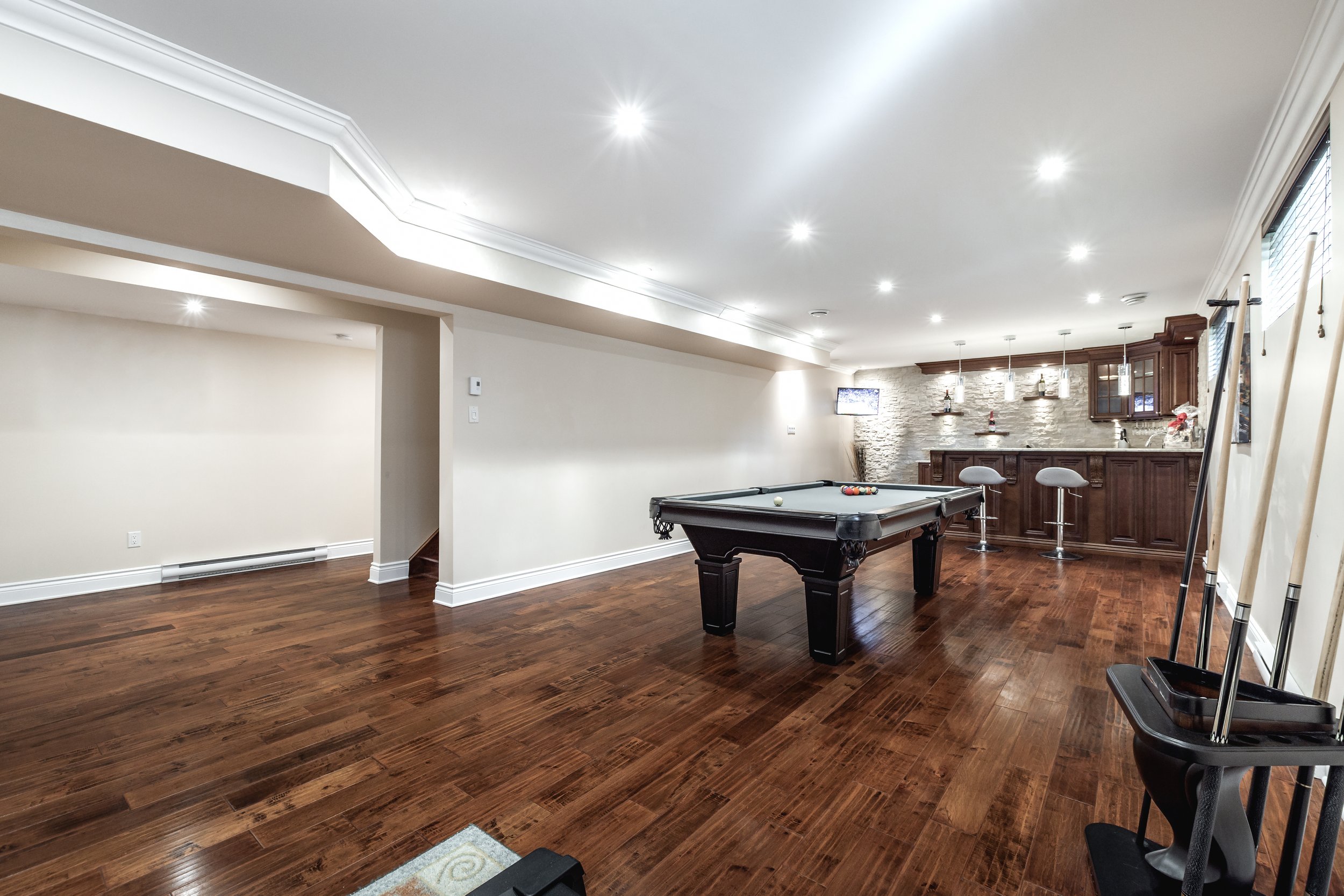
BASEMENTS & STRUCTURAL ADDITIONS
Expanding your living envelope through advanced foundation engineering and moisture-managed sub-grade assemblies.
THE CHALLENGE OF SUB-GRADE ARCHITECTURE
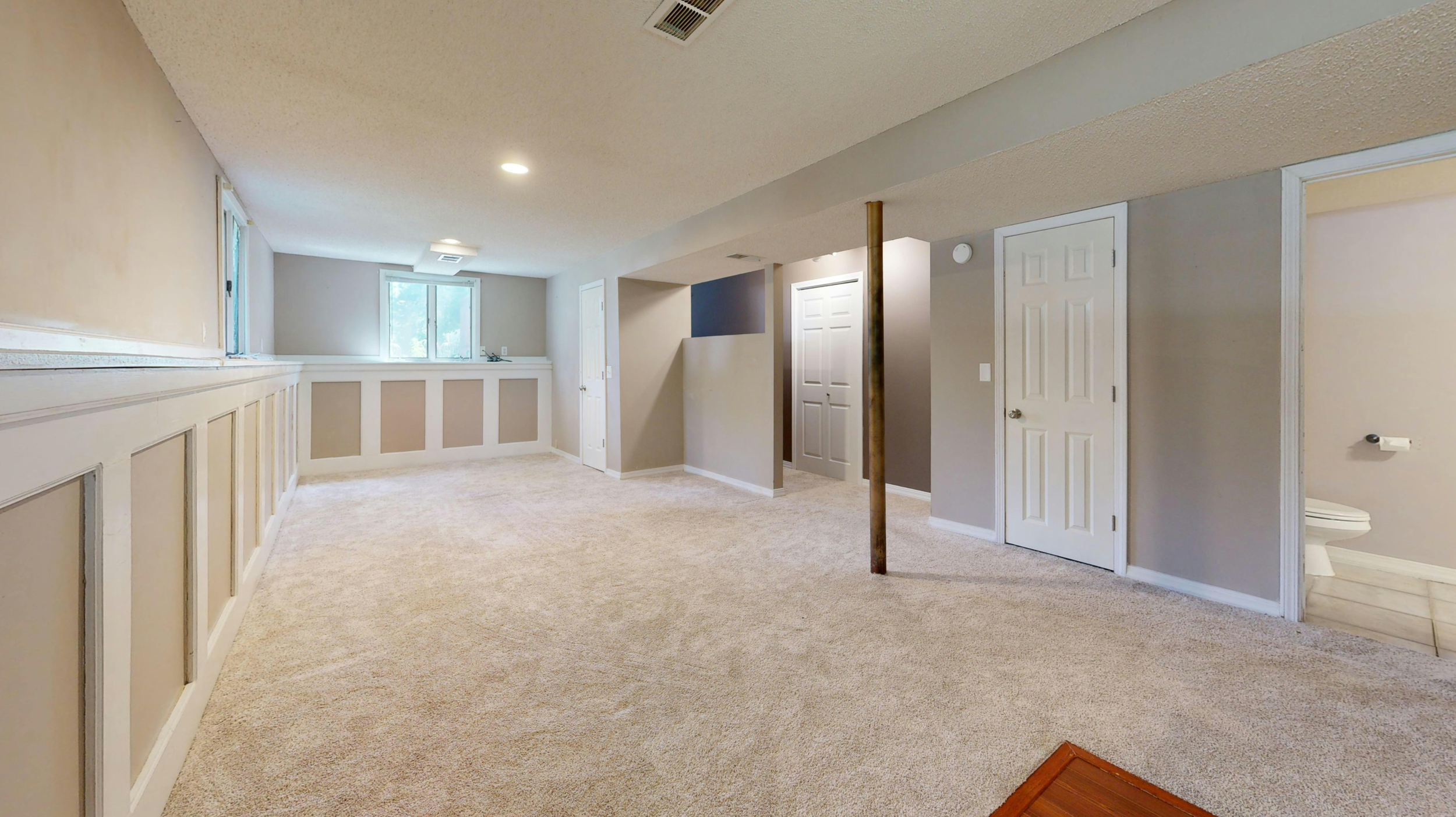
Expanding a home downward or outward requires more than just framing and drywall; it requires a deep understanding of soil mechanics, hydrostatic pressure, and thermal bridging.
Whether we are finishing a basement or engineering a new addition, our focus is on creating a climate-controlled, vapor-stable environment that feels indistinguishable from the upper levels of your home.
TECHNICAL PRIORITIES FOR FOUNDATION & SPACE EXPANSION
Advanced Moisture Mitigation
We don't just "finish" basements; we seal the building envelope. We utilize closed-cell insulation and vapor-retardant barriers to ensure that ground moisture never enters your living space.
Structural Load Analysis
Every addition or basement modification begins with a deflection and load-bearing audit to ensure the existing foundation can support the new architectural requirements.
Thermal Envelope Continuity
We eliminate "cold spots" by ensuring continuous insulation at the slab and rim joist, preventing the condensation cycles that lead to mold and poor air quality in lower levels.
A LINEAR PATH FROM DIAGNOSTIC AUDIT TO MANAGED EXECUTION
01 | Audit
A comprehensive look at foundation integrity, existing drainage (sump systems), and mechanical head-room to determine the technical viability of the space.
02 | Strategy
Custom floor planning and mechanical integration, focusing on egress requirements and sub-grade moisture management.
03 | Execution
Managed construction featuring rigid dust containment, HEPA air filtration, and precision framing to maximize every inch of the new square footage.
Frequently Asked Questions
INSIGHTS ON STRUCTURAL EXPANSION & BASEMENT SYSTEMS
-
That smell is usually off-gassing from moisture trapped behind walls. We prevent this by using inorganic materials and creating a "capillary break" between the concrete and the finished wall, ensuring no moisture can wick into the living area.
-
Yes, but it requires engineering. We calculate the load-bearing requirements and install recessed steel or LVL beams to pick up the weight of the house, allowing for a clear, unobstructed span.
-
Safety is non-negotiable. We manage the installation of code-compliant Egress windows and integrated smoke/CO2 detection to ensure the space is fully permitted and safe for occupancy.
-
We evaluate your current HVAC capacity. Often, we recommend independent "Zoned" systems or mini-splits to ensure the new space maintains a consistent temperature without over-taxing your existing furnace.
-
We prevent "differential settlement" by properly pinning the new foundation to the old and ensuring the soil compaction meets engineering standards before the first pour.
-
The rim joist is the biggest source of energy loss in a home. We use spray foam or rigid insulation to air-seal this zone, which prevents drafts and keeps the floor above comfortably warm.
-
Sub-grade living spaces require a proactive approach to air quality. During our Audit, we evaluate the need for a Radon Mitigation system and ensure your HVAC design includes a dedicated ERV (Energy Recovery Ventilator). This system continuously swaps stale basement air for fresh, filtered outdoor air, maintaining a healthy, hospital-grade environment in a space that would otherwise be prone to stagnation.
READY TO EXPAND YOUR FOOTPRINT?
Whether you are building up, out, or down, success begins with a diagnostic audit of your property’s current structural health.