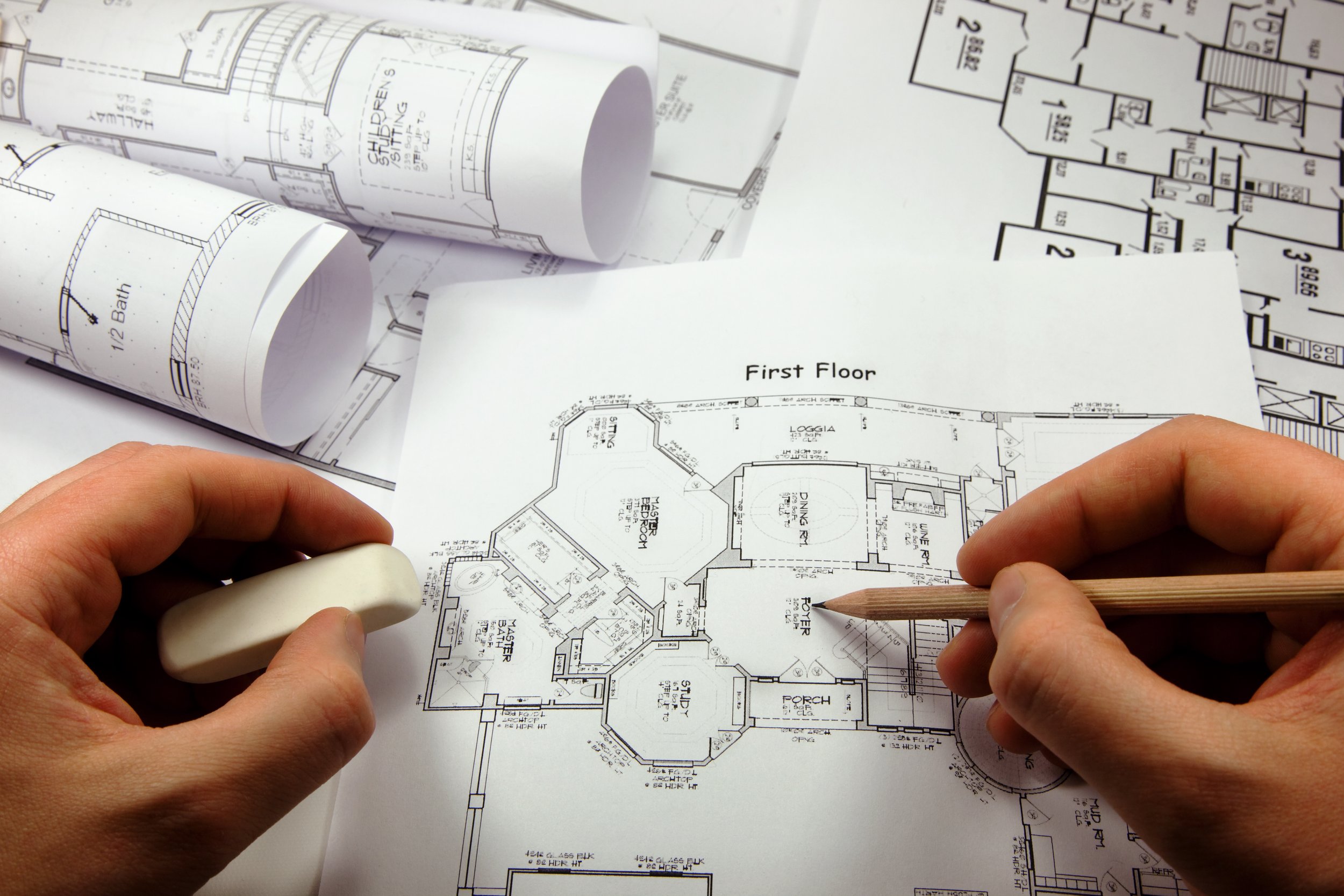
When homeowners plan a renovation, most follow the traditional contracting model without questioning it: hire an architect to create detailed plans, then send those plans to a general contractor for bidding and execution.
This model works for commodity construction, such as identical subdivisions, straightforward additions, cosmetic kitchen refreshes.
But for custom homes and complex structural transformations, the traditional approach creates perverse incentives, costly design-construction conflicts, and finished projects that miss your original vision.
Design-build is a fundamentally different model where a single firm, designer and builder integrated, manages the entire project from concept through handoff.
This alignment of incentives, continuous design refinement, and integrated planning produces higher-quality results at better cost predictability.
The Traditional Contracting Model and Its Flaws
Traditional contracting splits design and construction into separate, disconnected phases: homeowner hires an architect to produce detailed plans, completed plans are distributed to general contractors for competitive bids, the lowest bidder is selected, and during construction, conflicts between plans and reality emerge, leading to change orders.
This model has inherent perverse incentives:
Architects are motivated to produce visually impressive plans, not necessarily buildable, cost-effective designs.
Contractors bid low to win work, knowing they can recover margins through change orders during construction.
Change orders become the contractor's profit center.
Communication flows through layers, and accountability becomes diffuse.
The result: traditional projects routinely exceed budgets by 15-30%, experience timeline slippage, and deliver finished homes that don't match the original vision.
Homeowners feel trapped: they've spent significant money on architectural plans, and backing out means sunk cost loss.
Design-Build: Aligned Incentives, Integrated Execution
In design-build contracting, one design-build firm owns both design and construction. The same team that conceptualizes your renovation is the team that builds it.
This creates fundamental alignment of interests:
The design team has direct knowledge of construction feasibility, material costs, and trade logistics.
Designs are buildable from the start.
The construction team has input on design decisions before they're finalized.
Conflicts are resolved during design, not during costly construction.
Budget and timeline are set before construction begins, and change orders are rare.
The firm's profit depends on accurate estimation and efficient execution.
Communication is unified: one point of contact, one accountable team.
The design-build process typically unfolds as discovery and feasibility (the team understands your vision and identifies what's possible within budget), schematic design (preliminary plans and 3D renderings are refined based on feedback), final design and permitting (detailed documents are completed and permits filed), and construction (the team that designed your project now builds it).
When Design-Build Makes Sense
Design-build is ideal for structural renovations where design and building science must be integrated, custom homes where vision and execution need seamless alignment, complex additions where new construction must integrate with existing structure, projects with tight budgets where change orders are unacceptable, and renovations where you want transparent, collaborative decision-making.
Design-build is the gold standard for delivering homes built to actual standards—not minimum code—on budget and on time. Quality homes are the result of thoughtful design that's buildable, executed with discipline, and delivered with accountability.
If you're planning a custom renovation or home addition, design-build eliminates the adversarial disconnect between design and construction.
Ready to discuss your renovation vision? Contact Constructive Home & Property to explore design-build solutions tailored to your home and your goals.